

InfinitePay, 40 dolarlık bir Android telefonu kart terminaline, bir CNPJ’yi de ücretsiz hesaba çevirdi. InfiniteTap demosu hâlâ yeni satıcıları kazanıyor, Smart Card kişisel harcamada %1,5 nakit iade ödüyor, dijital hesap sınırsız ücretsiz Pix sunuyor. Sürtünme daha sonra ortaya çıkıyor: yalnızca NFC’li Android telefonlar InfiniteTap çalıştırıyor, vitrin oranları belirli mutabakat seçimlerini varsayıyor, destek hacmi kampanya dönemleriyle ölçekleniyor ve uygulama içindeki oran hesaplayıcı her satıcının bildirdiği efektif oranla eşleşmiyor. Hacminize özel matematik artık tutmuyorsa, Brezilya KOBİ ödemeleri ekosisteminde daha ağır donanımdan daha sade telefon-akışlarına uzanan InfinitePay alternatifleri var.
Bu rehberde 7 InfinitePay alternatifini karşılaştırıyoruz; donanımlı terminaller, telefonda temassız ve dijital hesap ikameleri arasında günlük KOBİ kullanımına göre sıralandı.
Hızlı karşılaştırma
| Uygulama | En iyi olduğu alan | Telefon terminal | Fiziksel donanım | Mutabakat |
|---|---|---|---|---|
| Stone | Oturmuş satıcı altyapısı | Evet | Çoklu seçenek | Kademeli seçenekler |
| PagBank | Cüzdan artı Point donanımı | Evet | Point terminalleri | Standart ertesi iş günü |
| SumUp | Küçük fiş sadeliği | Evet | Kart okuyucular | Ertesi iş günü |
| Mercado Pago | Pazar yeri ve Point | Evet | Point makineleri | Kademeli seçenekler |
| Ton | Stone’un mikro markası | Hayır | Kompakt makineler | Ertesi iş günü |
| Banco Inter | Yatırım ağırlıklı KOBİ | Hayır | Ayrı PJ uygulaması | Standart |
| PicPay | Pix ağırlıklı ödeme bağlantısı | Hayır | Yok | Pix için anında |
İnsanlar InfinitePay’den neden ayrılıyor
InfinitePay hâlâ telefon-terminal ve sıfır kiralama donanımında kazanıyor, ancak satıcı topluluklarında birkaç sürtünme beliriyor.
- Telefonda yalnızca NFC. InfiniteTap, NFC ve güncel işletim sistemi olan Android telefon gerektiriyor. iPhone ve eski Android kullanıcıları vitrin özelliğini kullanamıyor.
- Oran hesaplayıcı pazarlaması ve efektif oran. Vitrin oranları fiş öncesi avansı varsayıyor. Bazı satıcılar erken tahsilatı hesaba kattıktan sonra hesaplayıcının üzerinde efektif oran bildiriyor.
- Standart katmanda D+1 mutabakat. Daha hızlı seçenekler var ama maliyet taşıyor. Yeni satıcılar beklemeyi hissediyor.
- Zirve dönemlerinde destek hacmi. Kampanya dönemleri ve perakende döngüleri bilet yanıt sürelerini yavaşlatıyor.
- Sınırlı iPhone yolu. Mağaza için iPhone kullanan satıcılar InfiniteTap’i taşıdıkları telefonda çalıştıramıyor.
Hangi InfinitePay alternatifini seçmelisiniz?
- Stone işletme oturmuş satıcı raylarına ihtiyaç duyuyorsa.
- PagBank aynı kişinin kişisel hesap ve POS’a ihtiyacı varsa.
- SumUp ihtiyaç yalnızca küçük fişli kart kabulüyse.
- Mercado Pago Mercado Livre’de de satıyorsanız.
- Ton Stone destekli kompakt makine istiyorsanız.
- Banco Inter KOBİ kullanımı daha ağır yatırımla birlikteyse.
- PicPay ödeme bağlantısı ve Pix hacminin çoğunu karşılıyorsa.
1. Stone — oturmuş satıcı rayları için en iyi InfinitePay alternatifi

Stone, Brezilya’da KOBİ odaklı en oturmuş fintech altyapısını işletiyor. Flagship uygulama ücretsiz PJ dijital hesabı, kart makinesi yönetimi, Pix, işletme kredisi ve cari hesap ödemelerini kapsıyor. Daha hızlı mutabakat kademeleri, işletme kredi hatları ve bilet düzeyinde destek derinliği, telefon-terminalden büyümüş satıcılara avantaj veriyor.
Zayıf kaldığı yerler: Üstün mutabakatın maliyeti var. Uygulama PJ öncelikli; yalnız kişisel deneyim isteyen bireysel işletmeciler için sürtünme ekliyor.
Fiyatlandırma: Ücretsiz PJ hesabı. Donanım seçenekleri kademeye göre değişir. Kart tipine göre işlem başına ücret.
Stone ve InfinitePay: Stone oturmuş satıcı altyapısı ve mutabakat seçeneklerinde önde. InfinitePay sıfır maliyetli telefon-terminal girişinde önde.
Özet: İşletme telefonu aştı, ciddi arka ofis ve donanımlı terminal istiyorsa Stone’u seçin.
2. PagBank — birleşik kişisel-iş kullanımı için en iyi seçenek
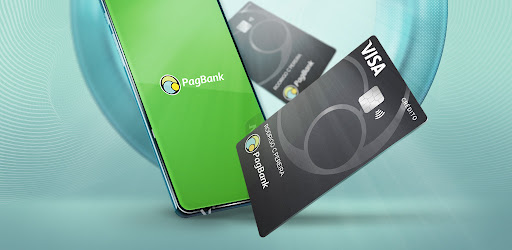
PagBank ücretsiz kişisel hesap, Point kart makinesi, yıllık ücretsiz kredi kartı ve yatırım seçeneklerini tek uygulamada sunuyor. Pix sınırsız ve ücretsiz, hesap CDI’nin %100’ünü öder, yan iş ve kişisel cüzdan için aynı kişi uygulama değiştirmeden ilerleyebilir.
Zayıf kaldığı yerler: Satıcı arayüzü kişisel deneyime sızıyor. Yatırım menüsü Inter’den daha dar.
Fiyatlandırma: Ücretsiz hesap. Point donanımında sıfır kira ve sıfır aylık ücret. İşlem başına ücretler.
PagBank ve InfinitePay: PagBank fiziksel donanımı kişisel hesapla birleştirmede önde. InfinitePay yalnızca telefonla girişte önde.
Özet: Aynı kişinin hem hesap hem NFC gerektirmeyen fiziksel makinelere ihtiyacı varsa PagBank’ı seçin.
3. SumUp — küçük fişli kart kabulü için en iyi seçenek

SumUp, Brezilya’da sürekli varlığı olan uluslararası bir ödeme şirketidir. Uygulama SumUp kart okuyucularıyla eşleşir, uyumlu Android cihazlarda telefonda temassız ödemeyi destekler ve işlem başına şeffaf ücretler sunar. Sadellik, ekli hesap olmadan yalnızca kart kabulü isteyen satıcılar için önemlidir.
Zayıf kaldığı yerler: Brezilya’da paketlenmiş kişisel hesap yok. Yatırım seçenekleri yok. Ek hizmet kataloğu InfinitePay’den daha ince.
Fiyatlandırma: Hesap ücreti yok. Okuyucu ve telefonda temassız için işlem başına ücret. Standart ertesi iş günü mutabakatı.
SumUp ve InfinitePay: SumUp sadelik ve şeffaf ücretlerde önde. InfinitePay paketlenmiş hesap ve %1,5 Smart Card nakit iadesinde önde.
Özet: Öngörülebilir ücretlerle yalnızca kart kabul etmek yeterliyse SumUp’ı seçin.
4. Mercado Pago — Mercado Livre satıcıları için en iyi seçenek

Mercado Pago cüzdanı Point kart makinesi ve Mercado Livre satıcı paneliyle eşleştirir. Entegrasyon tek başına Mercado Livre’de satan herkes için kurulumu haklı çıkarır. Hesap aylık yatırım koşullarıyla CDI’nin %105’ine kadar öder, Pix sınırsız ve ücretsizdir, Point donanımı kart ve Pix QR kabul eder.
Zayıf kaldığı yerler: Kripto ve Linha de Crédito çapraz satışları ana ekranı doldurur. Anlaşmazlıklarda hesap blokeleri bakiyeyi günlerce kilitleyebilir.
Fiyatlandırma: Ücretsiz hesap. Yıllık ücretsiz kart. Point donanımında işlem başına ücret.
Mercado Pago ve InfinitePay: Mercado Pago pazar yeri entegrasyonu ve varsayılan bakiye getirisinde önde. InfinitePay telefon-terminalde önde.
Özet: Hacminizin çoğu Mercado Livre üzerinden geliyorsa Mercado Pago’yu seçin.
5. Ton — Stone destekli mikro satıcılar için en iyi seçenek

Ton, serbest meslek ve mikro işletme satıcıları için Stone markasıdır. Uygulama kredi, banka kartı ve Pix’i işleyen kompakt Ton kart makineleriyle eşleşir; tam Stone donanımının daha ağır kurulumu yok. Mutabakat standart ertesi iş günü; ücret karşılığı hızlandırma seçenekleri var.
Zayıf kaldığı yerler: InfiniteTap ile aynı biçimde telefon-terminal yok. Stone düzeyinde işletme kredi hatları yok.
Fiyatlandırma: Ücretsiz hesap. Donanım satın alma veya kiralama seçenekleri değişir. İşlem başına ücret.
Ton ve InfinitePay: Ton fiziksel makine sadeliği ve Stone destekli altyapıda önde. InfinitePay sıfır donanımlı girişte önde.
Özet: Stone ölçeğinde rayları olan şirketten küçük makine istiyorsanız Ton’u seçin.
6. Banco Inter — KOBİ artı daha ağır yatırım için en iyi seçenek
Banco Inter’in kişisel uygulaması ücretsiz hesap, kredi kartı, ev brokeri, CDB, LCI, LCA, Hazine ve uluslararası USD hesabı sunar. Inter’in ayrı PJ uygulaması satıcı özelliklerini kapsar. Düşük hacimli yan işler genelde nakit tarafında Inter’in yatırım derinliğini, satıcı tarafında daha hafif bir POS’u kullanır.
Zayıf kaldığı yerler: Satıcı araçları ayrı uygulamada. Tüketici uygulamasında telefon-terminal yok.
Fiyatlandırma: Ücretsiz kişisel hesap. Ücretsiz PJ hesabı. Yatırım platformunda bakım ücreti yok.
Banco Inter ve InfinitePay: Inter yatırım derinliği ve dolar maruziyetinde önde. InfinitePay entegre telefon-terminalde önde.
Özet: Nakit tarafı satış kadar önemliyse Inter’i seçin.
7. PicPay — Pix ağırlıklı satıcı akışları için en iyi seçenek
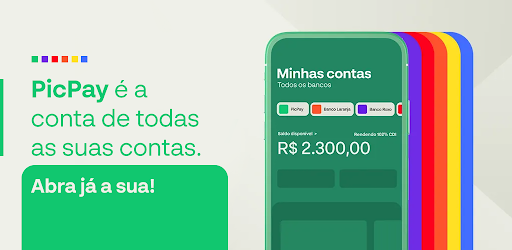
PicPay kişisel uygulama içinde ödeme bağlantısı üreticisi sunar; müşterileri Pix veya kredi kartı bağlantısıyla ödemeye alışkın satıcılar için kullanışlıdır. Arkadaşlara taksitli Pix ve fatura taksitleri kişisel tarafta esneklik ekler. Cüzdan CDI’nin %102’sini öder.
Zayıf kaldığı yerler: Fiziksel kart makinesi yok. Telefon-terminal yok. Bağlantı akışı alıcının kendi cihazında tamamlamasını varsayar.
Fiyatlandırma: Ücretsiz hesap. Yıllık ücretsiz kart. Ödeme bağlantısında işlem başına ücret.
PicPay ve InfinitePay: PicPay önce Pix satıcı akışı ve kişisel cüzdan derinliğinde önde. InfinitePay doğrudan kart makinesi işlevinde önde.
Özet: Müşterileriniz çoğunlukla Pix veya ödeme bağlantısıyla ödüyorsa PicPay’i seçin.
Nasıl seçilir
Telefon-terminalden büyüyüp gerçek raylara ihtiyaç duyan satıcılar için Stone’u kurun. Flagship uygulama ciddi PJ hesabı, işletme kredisi ve daha hızlı mutabakatı yönetir.
Fiziksel donanımdan vazgeçmeden birleşik kişisel-iş kullanımı için PagBank hem kişisel hesap hem Point makinesi sunar. Mercado Pago aynı paketi Mercado Livre entegrasyonuyla tamamlar.
Hesapsız daha sade kart kabulü için SumUp en sade uluslararası marka seçeneğidir. Ton, kompakt donanım isteyen mikro satıcılara Stone’un daha küçük makinelerini verir.
Kart makinesini pek kullanmayan ve ödeme bağlantısı ile Pix’e dayanan satıcılar için PicPay’in kişisel uygulaması satıcı yükü olmadan temeli karşılar.
Telefon-terminal hacminiz için gerçekten doğru cevapsa, Smart Card’da %1,5 nakit iadeyi öngörülebilir harcayabiliyorsanız ve oran hesaplayıcı matematiği işlem karışımınıza uyuyorsa InfinitePay’de kalın. Sıfır giriş vaadi sıfırdan başlayan satıcı için hâlâ kazanıyor.
Sıkça sorulan sorular
En iyi InfinitePay alternatifi hangisi? Oturmuş satıcı rayları için Stone. Birleşik kişisel-PJ için PagBank. Daha sade küçük fişli kart kabulü için SumUp.
Kart makinesi olmadan InfinitePay kullanılabilir mi? Evet. InfiniteTap uyumlu Android telefonu terminale çevirir. Ödeme bağlantıları ve Pix, telefon tabanlı makine olmadan da çalışır.
Hangi alternatifin kart makinesi ücretleri en düşük? Efektif oranlar mutabakat zamanlamasına, kart tipine ve satıcı kademesine bağlıdır. Geçmeden önce işlem karışımınızı her uygulamanın hesaplayıcısından geçirin.
Stone InfinitePay’den daha mı iyi? Stone, daha hızlı mutabakat, işletme kredisi ve özel donanım isteyen oturmuş satıcılar için daha iyi. InfinitePay, sıfır maliyetle telefon-terminalle başlayan yeni satıcılar için daha iyi.
InfiniteTap iPhone’da kullanılabilir mi? Hayır. InfiniteTap NFC’li güncel Android gerektirir. iPhone satıcıları SumUp okuyucusu, Mercado Pago Point veya başka donanım seçeneğine ihtiyaç duyar.
