Polygon’un Balatro’yu satranç ile birleştiren yeni roguelike olan Gambonanza’daki makalesi, 2026’da türün nerede olduğunu özetledi: deckbuilder’lar artık niş bir köşe değil, sürdürülen bir yaratıcı motorudur. Tek başına Balatro, grup sohbetimizin tam bir yılını tükettiği. Güzel haber, Ante 8’den çıktıktan sonra eşit derecede harika oyunlardan oluşan derin bir yığının sizi beklediğidir. Bunlar Windows, macOS ve Linux masaüstü için sekiz en iyi deckbuilder roguelike oyunudur.
Bir Deckbuilder Roguelike’da Nelere Bakmalı
Kategori çabucak kalabalıklaşıyor. Önemli farklar:
- Sinerji derinliği. Harika deckbuilder’lar alışılmadık kuruluşları ödüllendirir. Balatro’da Joker yığını ve Slay the Spire’daki relic combolar sizi nadir öğeler için risk almaya zorlayıyor.
- Koşu uzunluğu. İtaat edici bir koşu 40-90 dakikalık pencerede düşer. Daha kısa koşular öğle arası sırasında birini çalmanıza olanak tanır; daha uzun koşular bir proje gibi görünür.
- Açması vs İçerik. Bazı oyunlar yüzlerce saate açmaları uzatır; diğerleri bunları daha kısa kilometre taşlarının arkasında kapanır. Doğru oran döngüyü taze tutar.
- Zorluk ölçekleme. Ascension seviyeleri, ısı, bahis sistemleri hepsi çatının ne kadar adil bir şekilde yükseltildiğine göre yaşamak ya da ölmek.
- Modlar ve topluluk. Steam Workshop, Thunderstore ve dengeli yamalamalar oyunun zamanla büyüdüğü anlamına gelir.
- Platformlar arası oyun. Bulut kaydedilirse ve Steam Deck performansı, masaüstü ve el tipi arasında atlarsanız önemlidir.
Hızlı Karşılaştırma
| Oyun | En İyisi | Koşu Uzunluğu | Ücretsiz Demo | Fiyat |
|---|---|---|---|---|
| Balatro | Matematik-as-feeling | 60-90 dakika | Evet | $14.99 |
| Slay the Spire | Türün yaratıcısı, en derin meta | 60-90 dakika | Hayır | $24.99 |
| Monster Train | Şerit savunma twist | 60-75 dakika | Evet | $24.99 |
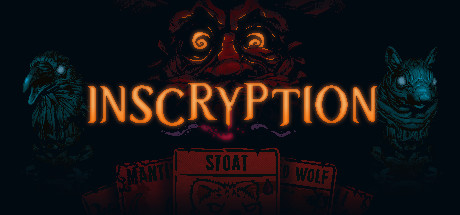
| Inscryption | Anlatı deckbuilder | Bir oturma ilk perde, sonra tekrarla | Hayır | $19.99 |
| Cobalt Core | Taktiksel uzay gemisi deckbuilder | 90-120 dakika | Evet | $19.99 |
| Wildfrost | Sıkı taktiksel konumlama | 30-60 dakika | Hayır | $19.99 |
| Roguebook | İki kahraman co-op deckbuilder | 60-90 dakika | Evet | $19.99 |
| Dicey Dungeons | Zarlar tarafından yönetilen, casual dostane | 30-45 dakika | Hayır | $14.99 |
En İyi 8 Deckbuilder Roguelike
1. Balatro — İnşa Tarafından Yönetilen Sevinç İçin En İyi
Balatro türün ihtiyaç duyduğu kültürel sıfırlamadır. Poker ellerini oynarsınız, ancak eller jeton ve mult matematiği oyununu besler, burada Jokerler, Tarotlar, Gezegenler ve Fırsat Sertifikaları düzlükleri milyonlarca jeton combosuna dönüştürür. 1.0 güncellemesi (Aralık 2024) dört yeni deste, başarılar ve zorluk koşuları gönderiş; 1.1 yaması dejenere stratejileri öldürmeden dengeyi sıkılaştırdı.
Nerede başarısız olduğu: İlk 20 saat en iyi 20 saattir; her desteyi temizledikten sonra, döngü yavaşlar. Bazı Jokerler öne çıkanlara kıyasla eksik görünüyor. Estetik kutuplaştırıyor.
Fiyatlandırma:
- Ücretsiz: Steam’de demo
- Ücretli: 14,99 $ taban, DLC yok
Platformlar: Windows, macOS, Linux (Proton), iOS, Android, konsollar.
Alt satır: 2026’da en iyi giriş noktası ve hala en iyi modern deckbuilder.
İndir: Steam’de Balatro
2. Slay the Spire — En İyi Tür Kurucusu
Slay the Spire bu çoğunluğun varlığını borçlu olduğu oyundur. Üç (şimdi dört) karakter, perde başına dört kat, yirmi Ascension seviyesi ve her koşuyu taze bir bulmacaya dönüştüren bir relic sistemi. Mega Crit’in temposu sabit kalır; 2026 sonuna duyurulan Slay the Spire 2 orijinal topluluğu yaşında tutar.
Nerede başarısız olduğu: Görsel stil iyi yaşlanmadı. Dördüncü karakter (Bekçi) duruş combolarını biliyorsanız dengesizdir. Ses ender.
Fiyatlandırma:
- Ücretsiz: hayır
- Ücretli: 24,99 $ taban, mobil paketler ayrı
Platformlar: Windows, macOS, Linux, iOS, Android, konsollar.
Alt satır: Oynamadıysanız zorunludur. Ascension 20 platosu hala türdeki en derin tek oyuncu beceri tavanı.
İndir: Steam’de Slay the Spire
3. Monster Train — En İyi Şerit Savunma Twist
Monster Train cehenneme bir yolculuk sırasında savunduğunuz üç dikey şeridi istifler. İki klan kombinasyonları her koşuda farklı deste kimlikleri yaratır ve Frost Tier, Stygian Guard ve Hellhorned sinerjileri size yerleşik bir laboratuvar verir.
Nerede başarısız olduğu: Sanat Slay’den daha meşguldür; bazı klanlar görsel olarak çatışır. Yapınız kristalize olur olmaz koşu ortasında tempo düşer.
Fiyatlandırma:
- Ücretsiz: demo
- Ücretli: 24,99 $ taban, ayrıca Friends and Foes DLC, ayrıca 2025 sekeli Monster Train 2 24,99 $ ‘dan
Platformlar: Windows, macOS, Linux (Proton), iOS, Android, konsollar.
Alt satır: Bunu Slay the Spire ile iki ay saf deckbuilding için eşleştirin.
İndir: Steam’de Monster Train
4. Inscryption — En İyi Anlatı Deckbuilder
Inscryption sonsuza dek bir roguelike değildir; ilk perde öyle, ve sadece o perde satın almayı haklı çıkarır. Daniel Mullins, kaçış odası bulmacalarını, dördüncü duvar aralarını ve türün en rahatsız edici antagonistlerinden birini bir kart oyununda katmanlandırır ve kendini yeniden keşfetmeye devam eder. Perde 2 ve 3 yapıyı tamamen değiştirir ve ısrar eden oyuncuları ödüllendirir.
Nerede başarısız olduğu: Roguelike döngüsü perde 1 ile sona erer. Geç perdeler hayranları böler. Yeniden oynanabilirlik çoğunlukla Kaycee’s Mod ücretsiz DLC’de yaşar.
Fiyatlandırma:
- Ücretsiz: Kaycee’s Mod taban sahipleri için ücretsiz DLC’dir
- Ücretli: 19,99 $ taban
Platformlar: Windows, macOS, Linux (Proton), konsollar.
Alt satır: Hikaye için satın alın, Kaycee’s Mod için kalın.
İndir: Steam’de Inscryption
5. Cobalt Core — En İyi Taktiksel Konumlandırma
Cobalt Core yatay bir eksen boyunca bir uzay gemisini pilot ettiğiniz, füzeleri hareket ettirerek kaçtığınız ve kartlar oynadığınız taktiksel bir 1D deckbuilder’dır. Mürettebat sistemi her koşuda farklı karakterleri farklı destelerle değiştirir ve zaman döngüsü anlatısı döngüye diş verir.
Nerede başarısız olduğu: Daha düşük donanım gereksinimleri ancak AAA seçimleri daha yavaş yayın kadansı. Sanat stili bölücü (kasıtlı piksel sevimlilik).
Fiyatlandırma:
- Ücretsiz: demo
- Ücretli: 19,99 $ taban, ayrıca 2025 Kristal Fantazm içerik güncellemesi (sahipleri için ücretsiz)
Platformlar: Windows, macOS, Linux, Anahtar.
Alt satır: XCOM’u veya FTL’yi sevenler için en iyi deckbuilder.
İndir: Steam’de Cobalt Core
6. Wildfrost — En İyi Taktiksel Konumlandırma (Küçük Tahta)
Wildfrost konum kartlar kadar önemli olduğu dört-dört bir tahtada oynanır. Sayaç mühendisliği (her kartın hareket etmeden önce bir geri sayımı vardır) her turda bulmaca anları oluşturur. Kabileler, Yaramaz ve Charmlar hızla kat kat.
Nerede başarısız olduğu: Acemiler için cezalandırıcı; erken koşular Sayaç ritmi içselleştirinceye kadar haksız görünmektedir. Güncellemeler 2025’te yavaşladı.
Fiyatlandırma:
- Ücretsiz: hayır
- Ücretli: 19,99 $ taban, ayrıca Snowdwell içerik güncellemesi (sahipleri için ücretsiz)
Platformlar: Windows, macOS, Linux (Proton), Anahtar.
Alt satır: Her kararında tür sizi sert geri ittiğinde bunu seçin.
İndir: Steam’de Wildfrost
7. Roguebook — En İyi İki Kahraman Deckbuilder
Roguebook iki kahramanı eşleştirmenize ve aralarında paylaşılan bir deste inşa etmenize izin veriyor, bu yüzden sinerjiler karakter çizgilerini geçiyor. Richard Garfield (Magic: The Gathering) danışmanlık yaptı ve eserinin parmakizidir kart tasarımında.
Nerede başarısız olduğu: Harrita kutucuk-by-tile incelemesi bazen bir gayret gibi hissedilir. AAA seçimleri daha küçük sonrası başlatma desteği.
Fiyatlandırma:
- Ücretsiz: demo
- Ücretli: 19,99 $ taban, ayrıca DLC karakterleri
Platformlar: Windows, macOS, Linux (Proton), konsollar.
Alt satır: Bir kart oyunu tasarımcısının projesi gibi okunan bir deckbuilder istediğinizde en iyi uyum.
İndir: Steam’de Roguebook
8. Dicey Dungeons — En İyi Casual Dostane
Dicey Dungeons Terry Cavanagh’ın casual dostane seçimidir. Altı karakter oyunun yetenekleri attığını zarlara dönüştürüyor ve kurallar karakter başına dramatik olarak değişiyor (Mucit öğeleri remixler; Robot toplamları bahis; Witch büyüleri cache’ler). Bölümler üstünde değiştiriciler katmanı.
Nerede başarısız olduğu: Büyük isimler daha kısa koşuyor. Sinerji keşif döngüsü daha az ve daha fazla bulmaca. Müzik yıpranabilir.
Fiyatlandırma:
- Ücretsiz: hayır
- Ücretli: 14,99 $ taban, ayrıca ücretsiz Reunion DLC
Platformlar: Windows, macOS, Linux, iOS, Android, konsollar.
Alt satır: Slay the Spire’da bir çıkışa bağlı olmadığınızda yarım saatlik öğle arası koşuları için bunu seçin.
İndir: Steam’de Dicey Dungeons
Doğruyu Nasıl Seçersiniz
Türün modern yüzünü istiyorsanız: Balatro. Oyun oynayan herkesi tanıdığınız bunu anlayacaktır.
En derin tek oyuncu beceri tavanını istiyorsanız: Slay the Spire. Ascension 20 platesu hala veterinarian roguelite oyuncularını alçaltıyor.
Yüzlerce saati haklı çıkaran bir twist ile tür istiyorsanız: Monster Train.
Bir hikaye istiyorsanız: Inscryption. Satın alın, YouTube spoilerlarını izlemeyin, sonra Kaycee’s Mod alın.
Taktiksel konumlandırma istiyorsanız: Sci-fi eksen için Cobalt Core, sıkı ızgaralar için Wildfrost.
İşbirlikçi deckbuilding istiyorsanız: Roguebook’un iki kahraman kuralı.
Hızlı bir öğle arası koşu istiyorsanız: Dicey Dungeons.
Hepsini oynadıysanız ve tamamen yeni bir şey istiyorsanız: Polygon’un vurguladığı Balatro-meets-satranç roguelike olan Gambonanza’ya göz kulak olun ve gelecek Slay the Spire 2.
SSS
Yeni başlayanlar için en iyi deckbuilder roguelike nedir? Balatro ve Dicey Dungeons. Her ikisinin de yumuşak erken koşuları vardır ve derin sistem ustasıyla ilgili sezgiyi ödüllendirir. Slay the Spire’ın Ironclad’taki ilk koşusu da iyi bir giriştir, ama Ascension öğütme uzundur.
2026’da Slay the Spire oynamaya değer midir? Evet. Yamalamalar hala gemi, topluluk aktif, ve oyun hala kategorideki en derin tek oyuncu roguelike. Slay the Spire 2 ufukta ama kesin bir yayın tarihi yok.
Bu oyunlar Steam Deck’de iyi mi? Hemen hemen tümü, evet. Balatro, Slay the Spire, Monster Train, Cobalt Core ve Dicey Dungeons yerel olarak veya Proton ile çalışır. Inscryption bir kontrolör haritalama geçişi gerekiyor.
Hangi deckbuilder roguelike’ın en iyi multiplayer’ı var? Hiçbir şey uygun senkron çok oyunculu yok. Slay the Spire async Günlük Climbs ve modded co-op vardır. Monster Train 2 çapraz promosyon etkinlikleri ekledi. Multiplayer önemliyse, Card Survival bakın: Tropical Island veya Marvel’s Midnight Suns yerine.
Tür doyuyor mu? 2026 yayın takvimi hayır önerir. Gambonanza, Tarotica ve diğer yarım düzine 2026 boyunca gemi. Çubuğu şimdi daha yüksek: yeni girdiler gerçek bir twist (şerit savunma, konumsal ızgaralar, anlatı) bir kitleyi bulmak için gerek.